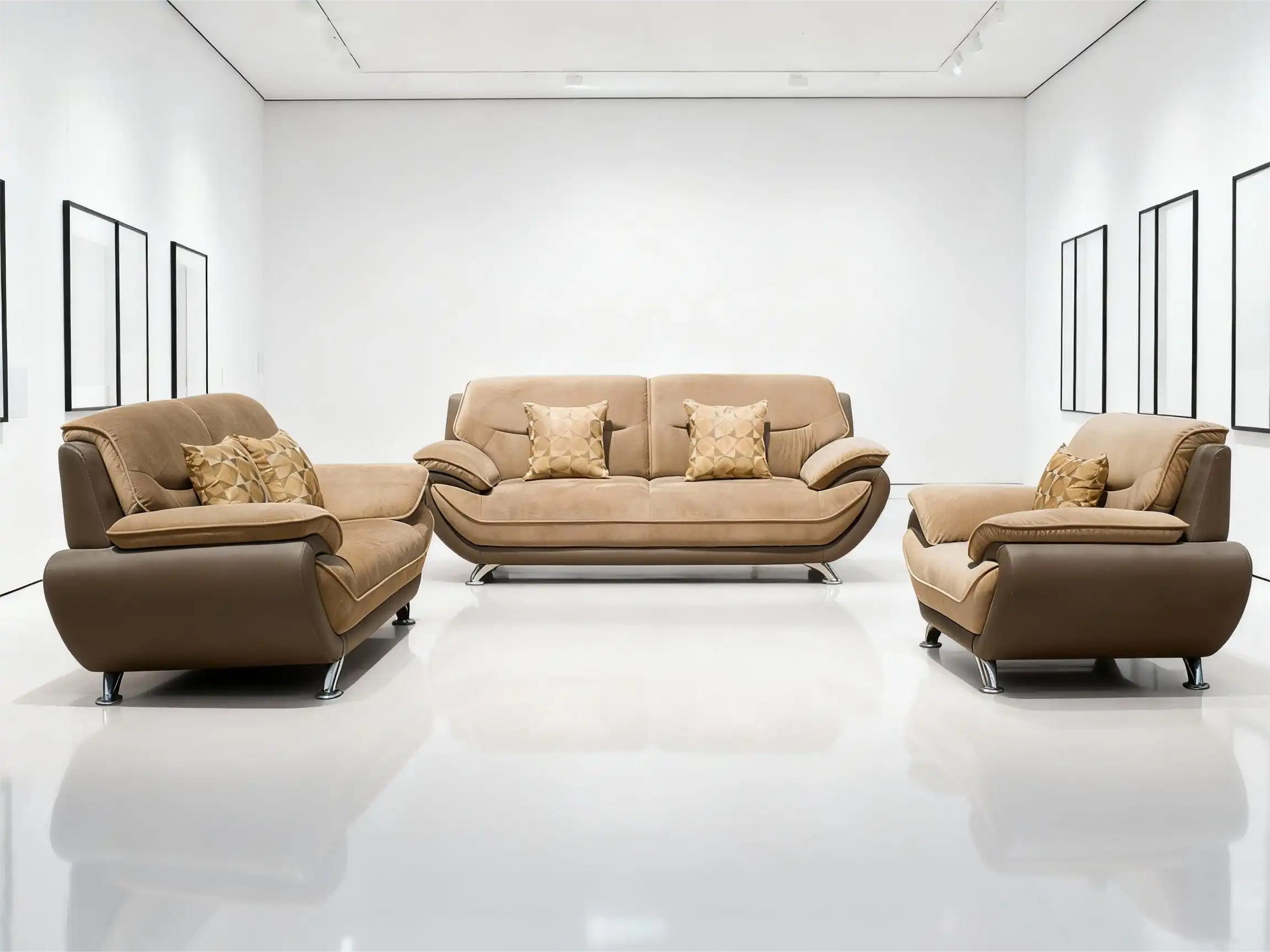
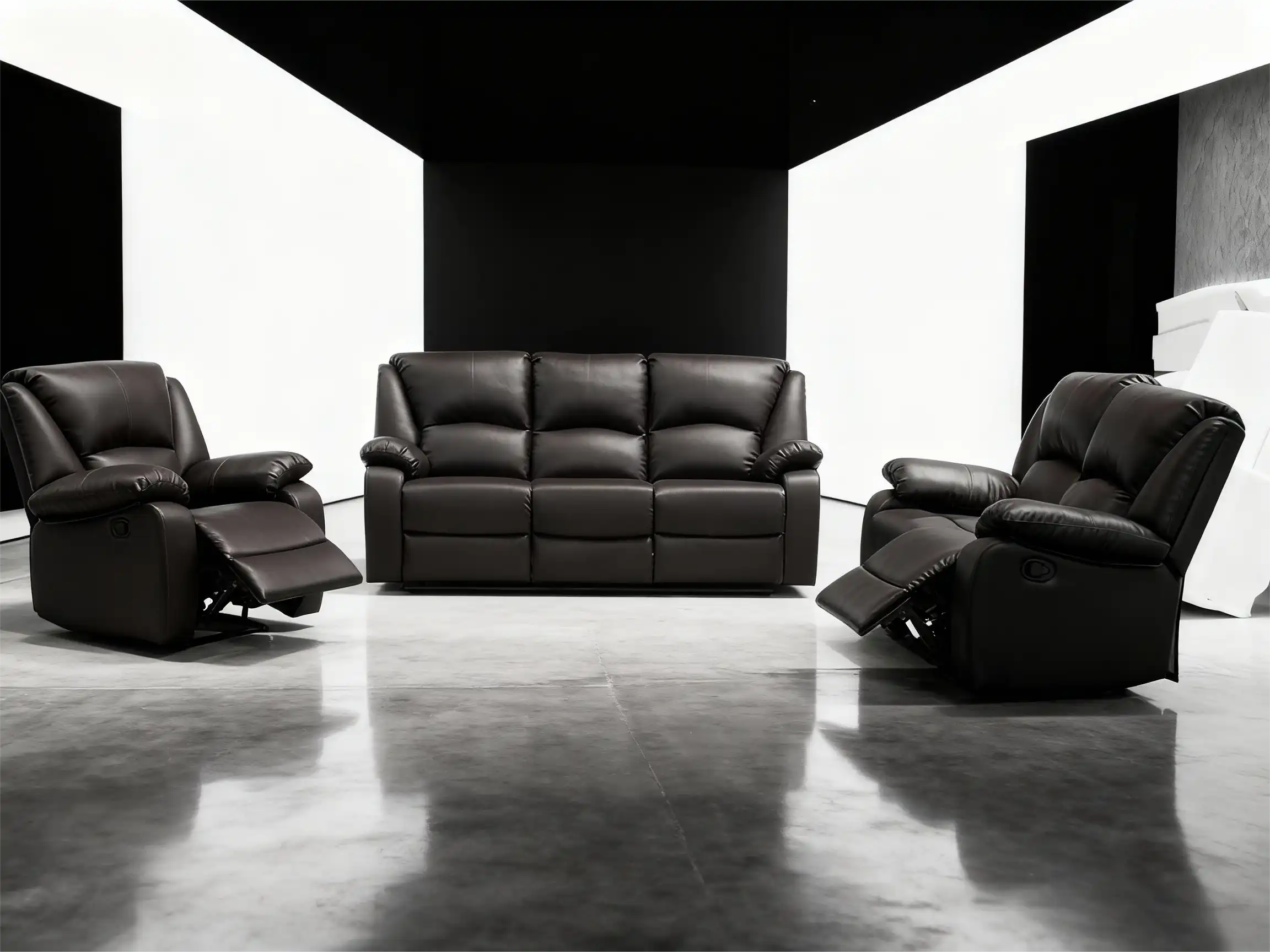
Performance Fabric vs. Leather:
Durability for Large Dog Households
A comprehensive comparison of scratch resistance, structural integrity, and long-term costs when choosing sofas for homes with active large breeds.

- 01. What “Durability” Really Means
- – Scratch Resistance vs. Surface Damage
- – Tear Strength and Structural Integrity
- 02. Performance Fabric Under Large Dog Use
- – Handling Claws and Daily Friction
- – Stain Resistance & Odor Control
- 03. Top-Grain Leather in Dog Households
- – Natural Strength vs. Visible Scratch Marks
- – Maintenance & Long-Term Aging
- 04. Long-Term Cost Comparison
- – Repair, Reupholstery & Cycles
- 05. Which Material Makes Sense?
1. What “Durability” Really Means for Large Dog Households
Scratch Resistance vs. Surface Damage
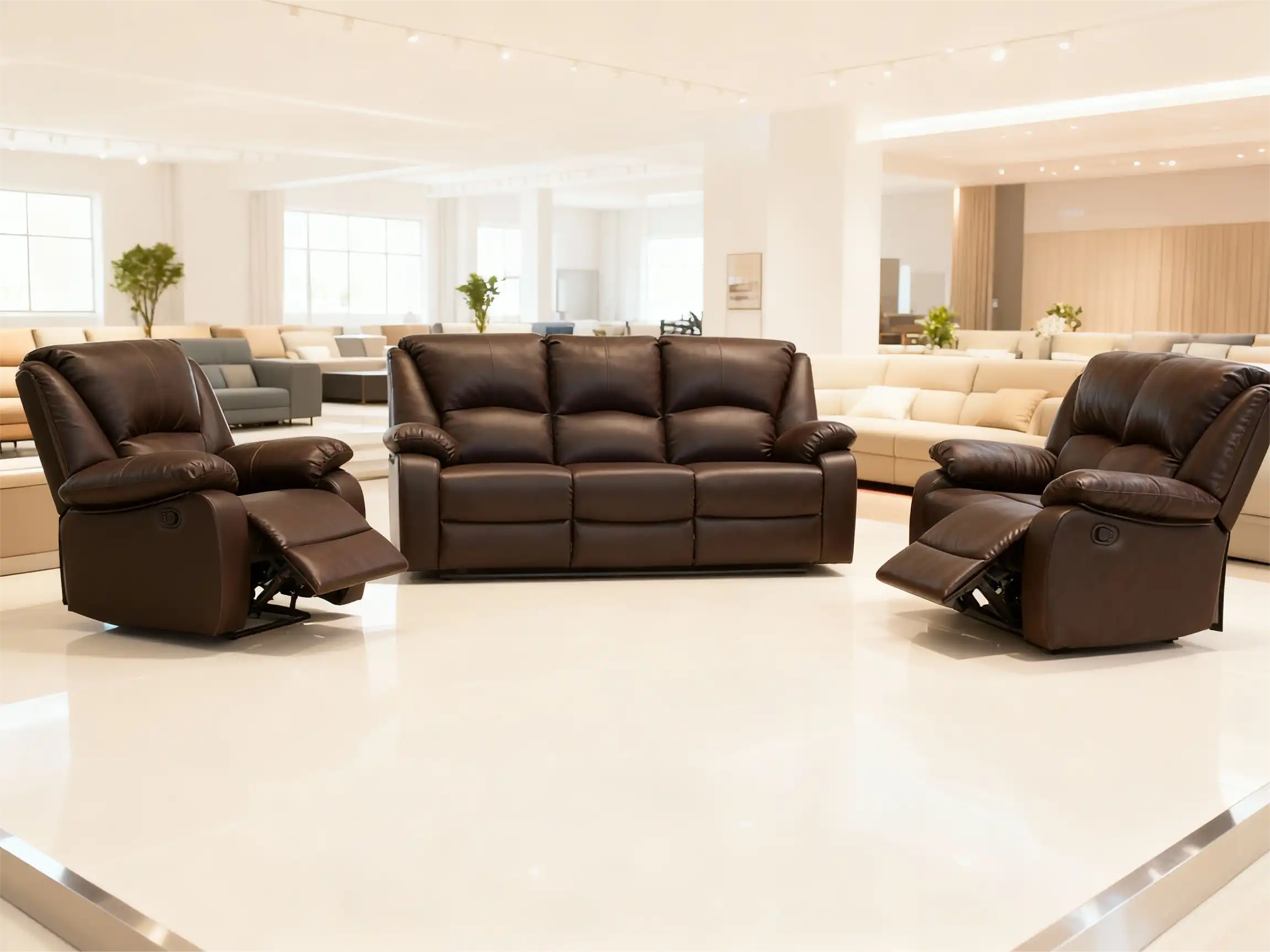
When evaluating sofa durability for homes with large dogs, surface response to claws is often the first concern. In the comparison of Performance Fabric vs. Top-Grain Leather, performance fabric is designed to disperse pressure across tightly woven fibers, helping reduce visible scratch marks. Top-grain leather, while structurally strong, tends to show surface scratches more clearly, especially in high-contact areas such as seats and armrests. This contrast plays a central role in how large dog households perceive long-term durability.
Tear Strength and Structural Integrity
Beyond surface damage, true durability also depends on how a material reacts once stress penetrates the outer layer. In the Performance Fabric vs. Top-Grain Leather discussion, performance fabric is less likely to propagate tears after accidental snags, while leather may suffer deeper damage once its surface is compromised. For active large dogs, resistance to progressive damage is a critical durability factor.
2. Performance Fabric Under Large Dog Use
How Performance Fabric Handles Claws and Daily Friction
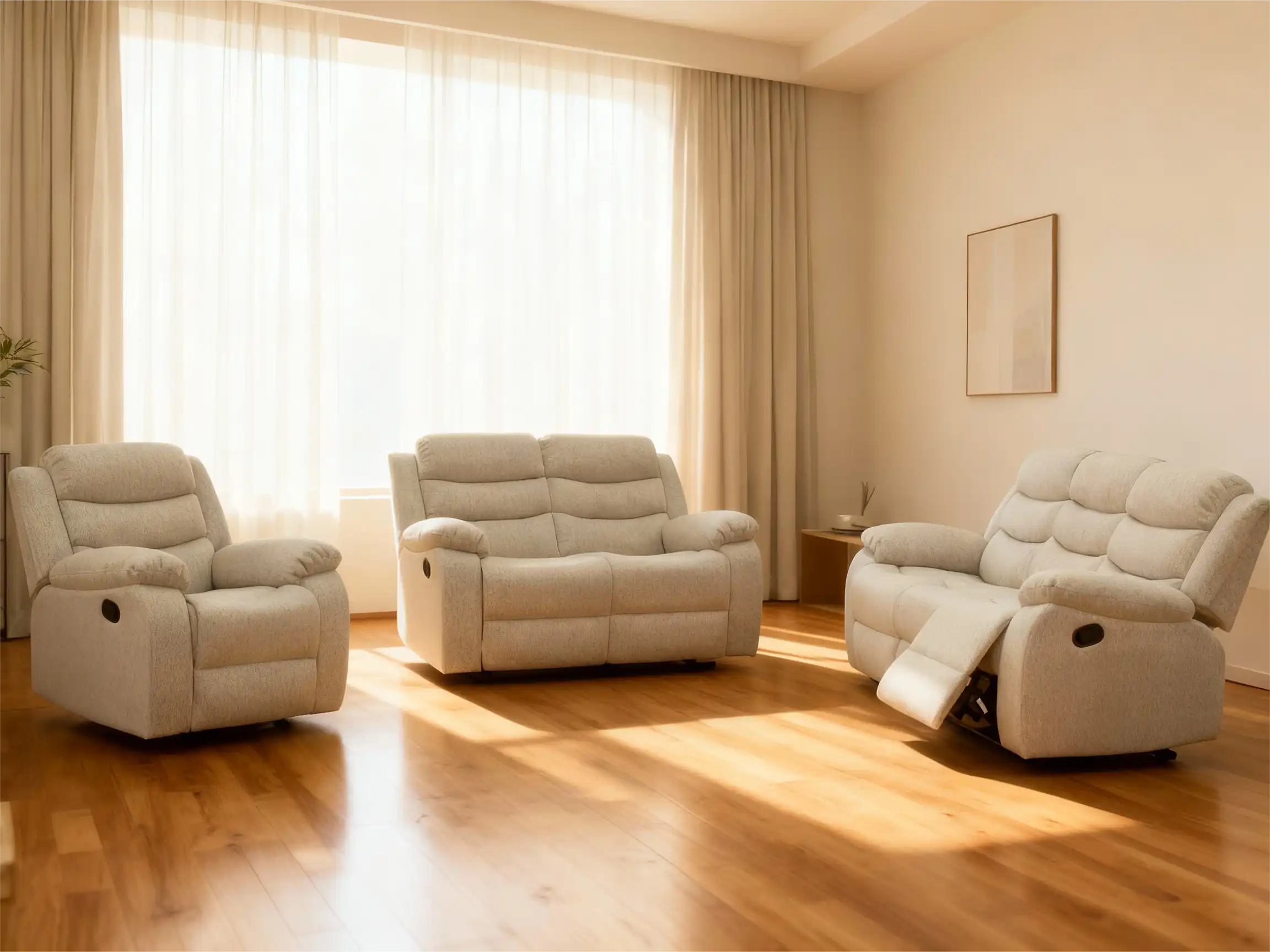
Performance fabric is engineered for high-traffic environments, making it a practical choice in the Performance Fabric vs. Top-Grain Leather comparison for large dog households. Its abrasion-resistant construction allows it to tolerate frequent movement, jumping, and nesting behavior with minimal visible wear. Over time, this consistency helps the sofa maintain a uniform appearance despite daily pet activity.
Stain Resistance, Odor Control, and Easy Cleaning
Another reason performance fabric stands out in the Performance Fabric vs. Top-Grain Leather debate is ease of maintenance. Protective finishes help prevent stains, moisture absorption, and odor buildup caused by pets. For large dog households, the ability to clean spills, hair, and dirt quickly often outweighs purely aesthetic considerations.
3. Top-Grain Leather in Homes with Large Dogs
Natural Strength vs. Visible Scratch Marks
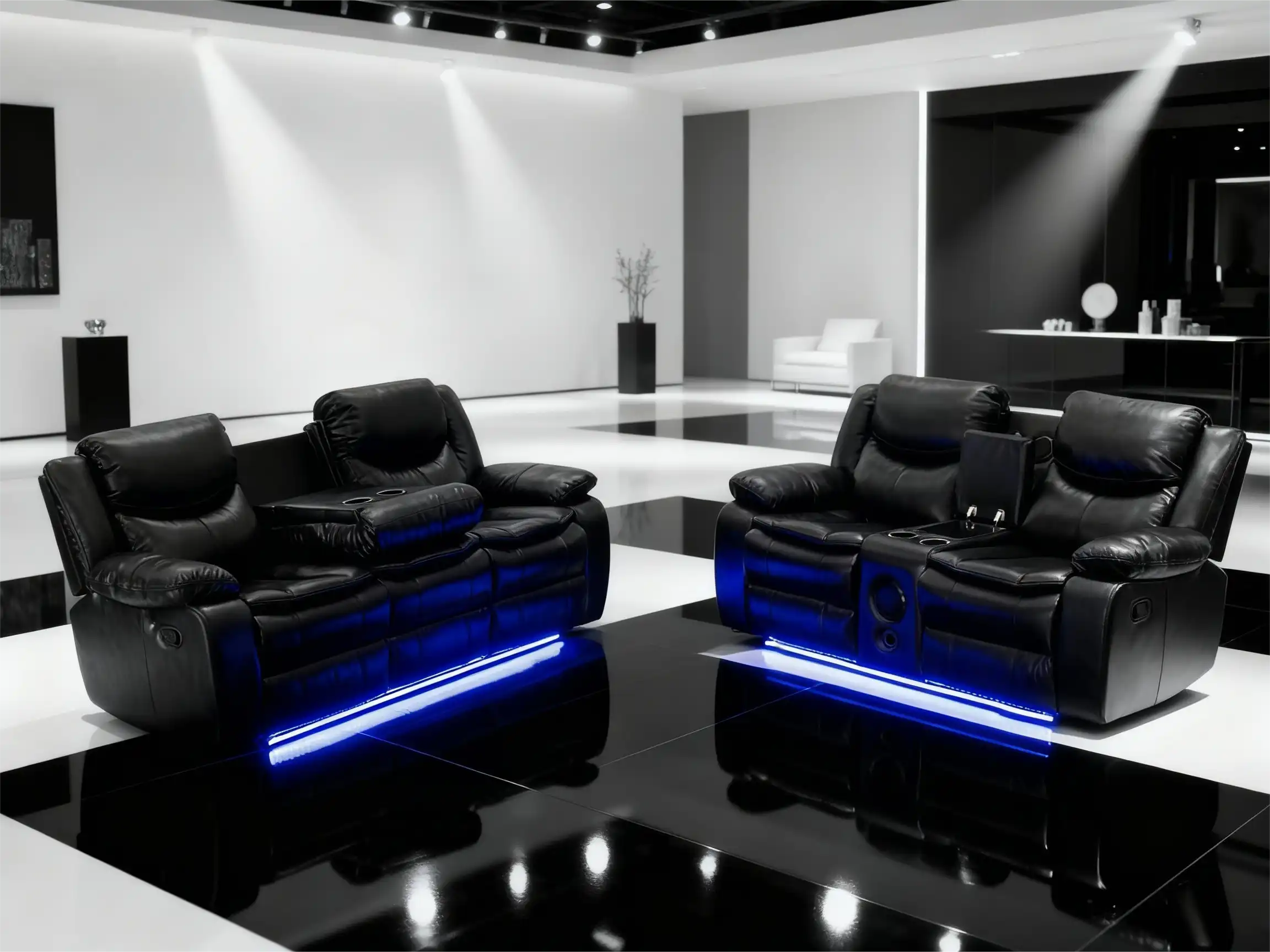
Top-grain leather is valued for its natural strength and premium feel, but its performance with pets differs. In a Performance Fabric vs. Top-Grain Leather comparison, leather handles weight and pressure well but tends to reveal claw marks more visibly over time. While these marks may not weaken the sofa, they can significantly alter its appearance in large dog households.
Maintenance Requirements and Long-Term Aging
Leather also demands consistent care to maintain flexibility and surface quality. In the context of Performance Fabric vs. Top-Grain Leather, leather requires conditioning to prevent drying and cracking, especially in pet-active homes. Over time, oils from pets and environmental exposure influence how leather ages, making maintenance expectations a key consideration.
4. Long-Term Cost and Replacement Risk Comparison
Repair, Reupholstery, and Replacement Cycles
Long-term value is closely tied to repair and replacement costs. When comparing Performance Fabric vs. Top-Grain Leather, performance fabric sofas are generally easier and more affordable to repair or reupholster if localized damage occurs. Leather repairs, particularly on visible panels, often require specialized treatment and higher expense, increasing long-term ownership risk for large dog households.
5. Which Material Makes More Sense for Large Dog Households?
When all factors are considered, Performance Fabric vs. Top-Grain Leather is less about which material is superior and more about which aligns better with daily life. Performance fabric typically offers better resistance to visible wear, simpler cleaning, and lower maintenance demands. Top-grain leather provides a premium look and strong structure but requires greater care and acceptance of natural aging. For large dog households, understanding these trade-offs leads to a more confident and practical sofa choice.