Fabric Sofa vs Leather Sofa: Which Is Better for Long-Term Use in 2026?

"Choosing between fabric and leather isn't just about aesthetics—it's about how your home lives, breathes, and ages over the next decade."
Table of Contents
1. Durability and Maintenance Over Time
1.1 How Fabric Sofas Perform With Daily Use
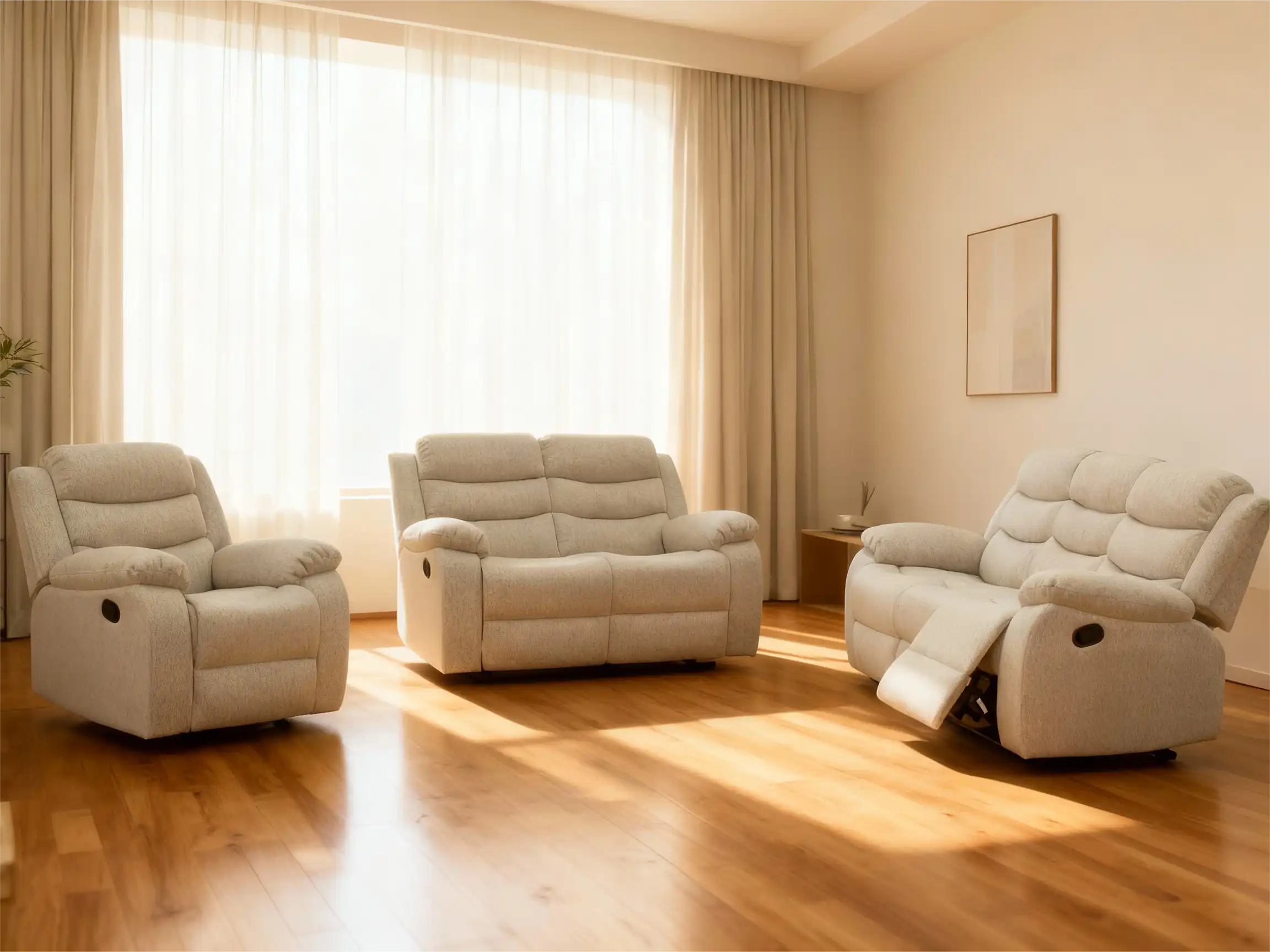
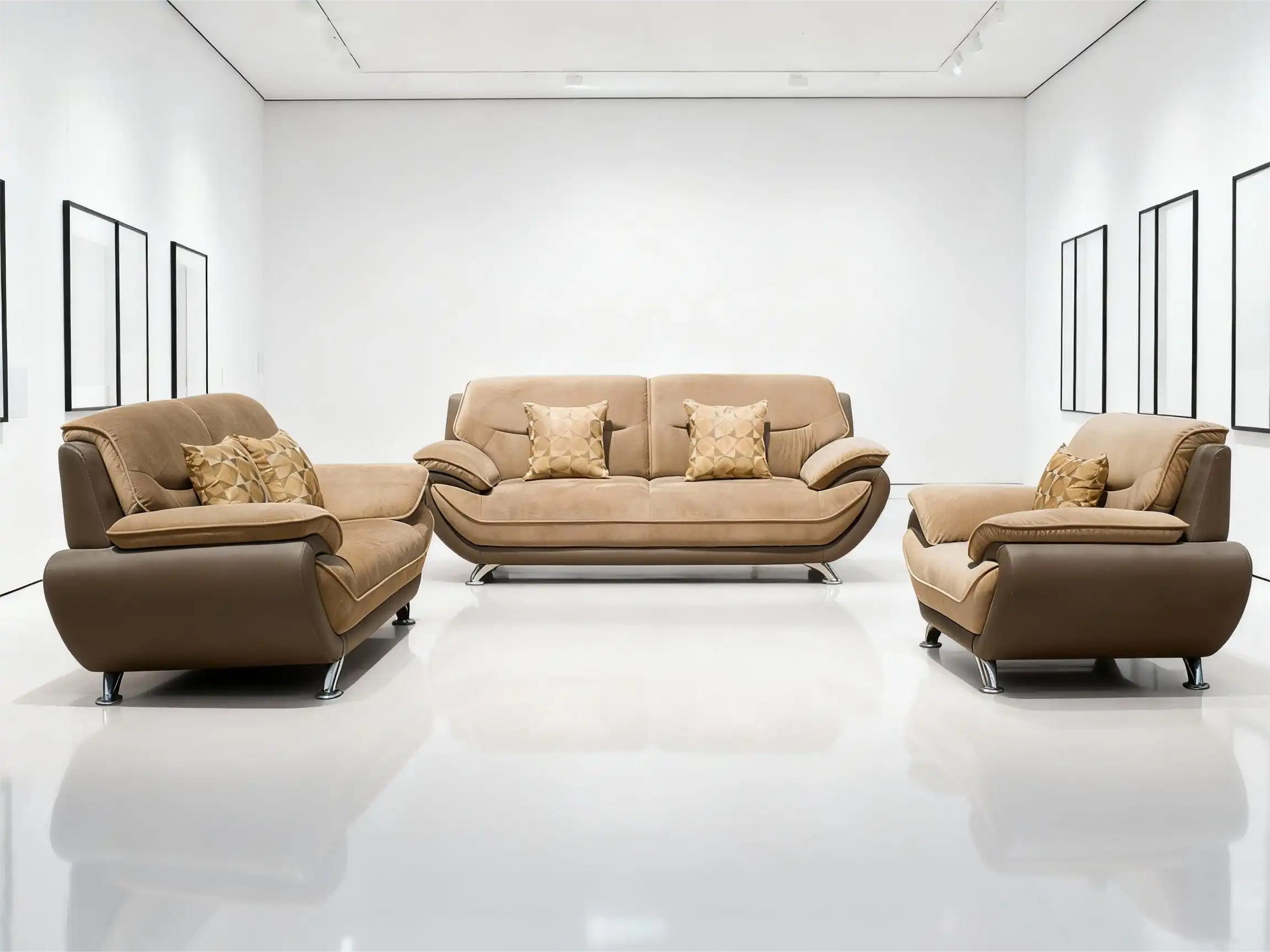
In a long-term comparison of fabric sofa vs leather sofa, fabric sofas are generally more forgiving in daily use. High-quality woven or blended fabrics can resist surface wear well, especially in family environments where sitting frequency is high. However, fabric sofas are more vulnerable to stains, dust absorption, and pet hair. Over time, frequent cleaning and occasional fabric wear—such as pilling on seat cushions—can affect appearance if the fabric quality or density is low.
1.2 How Leather Sofas Age and Require Care
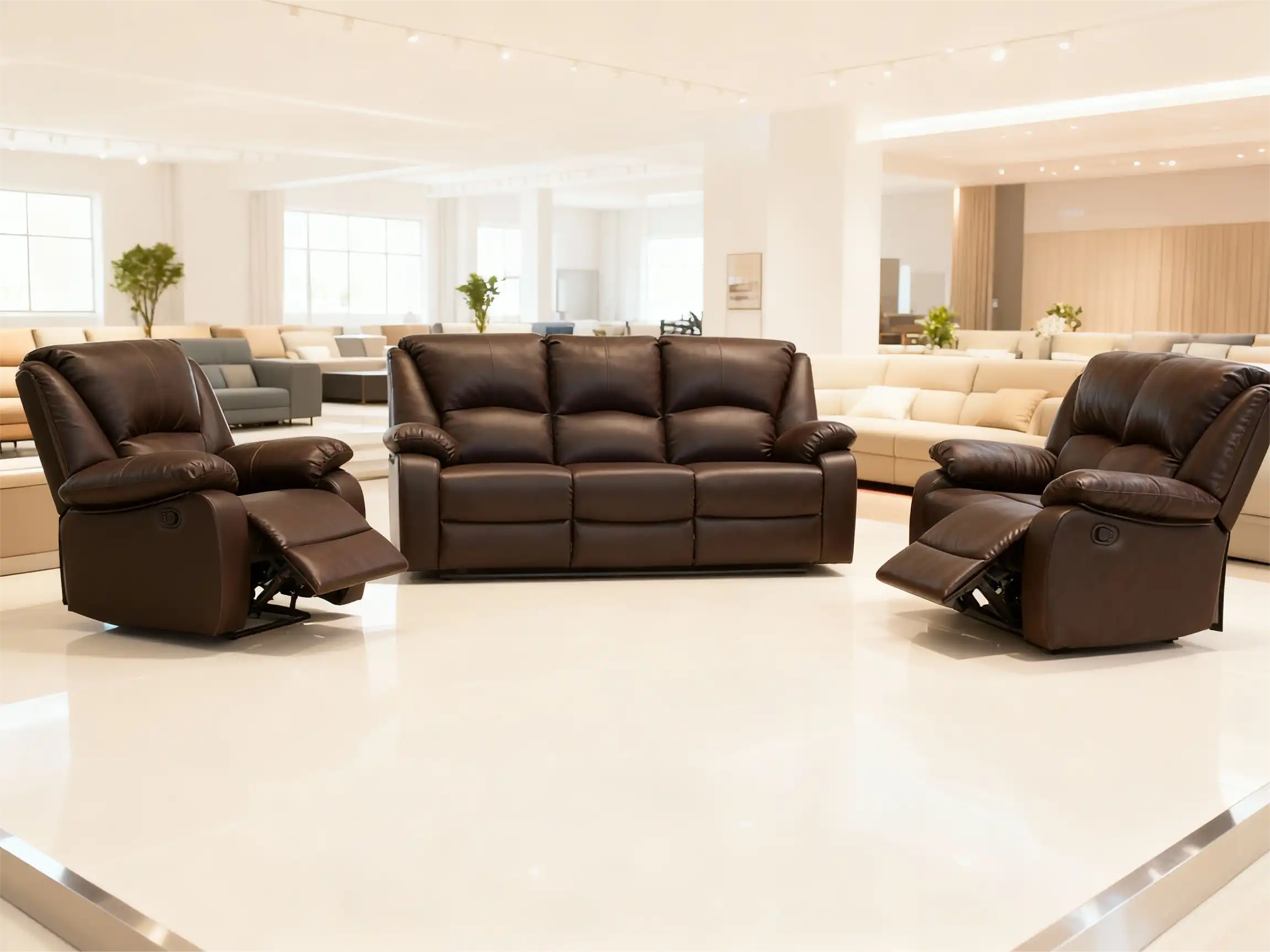
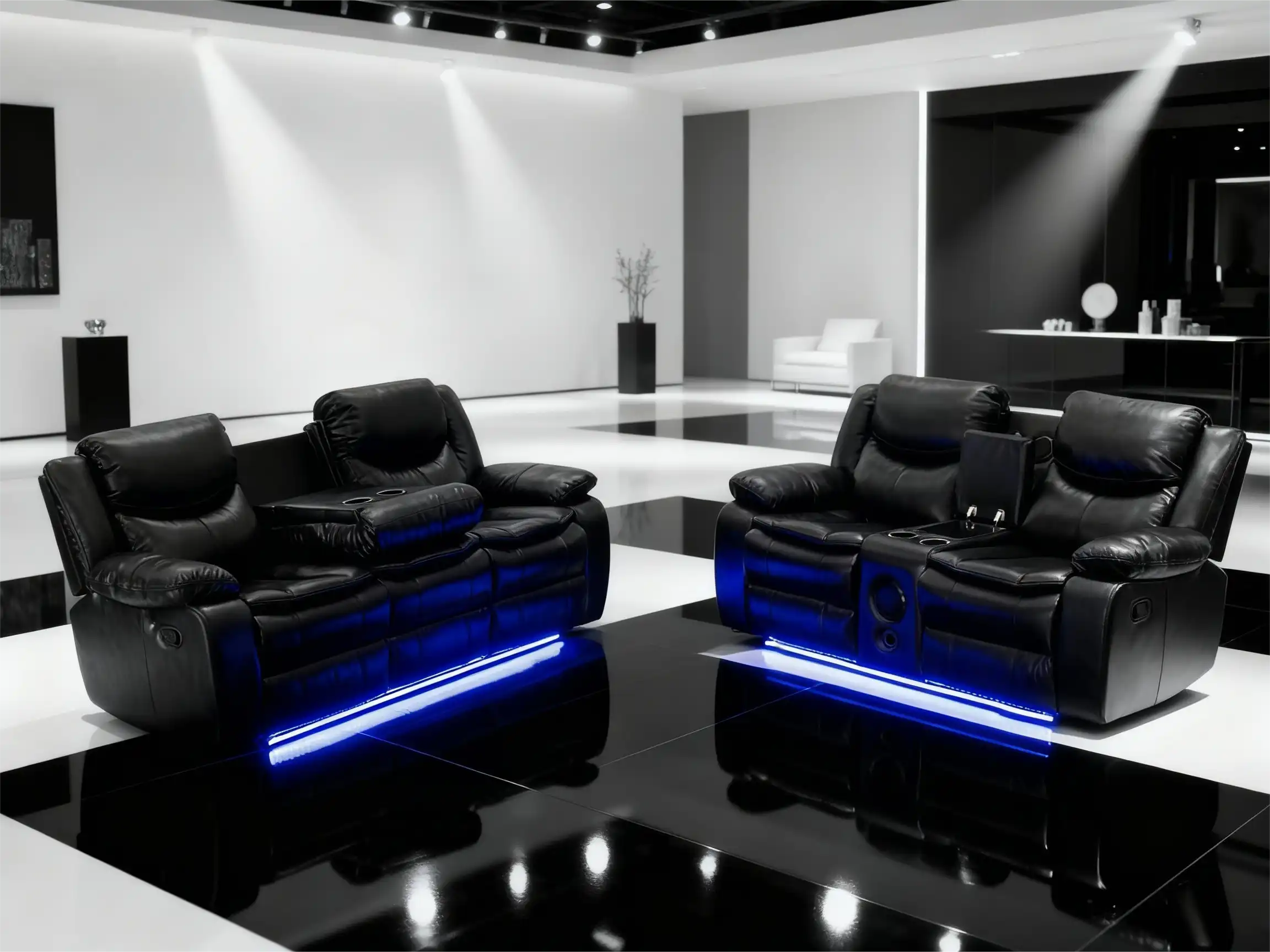
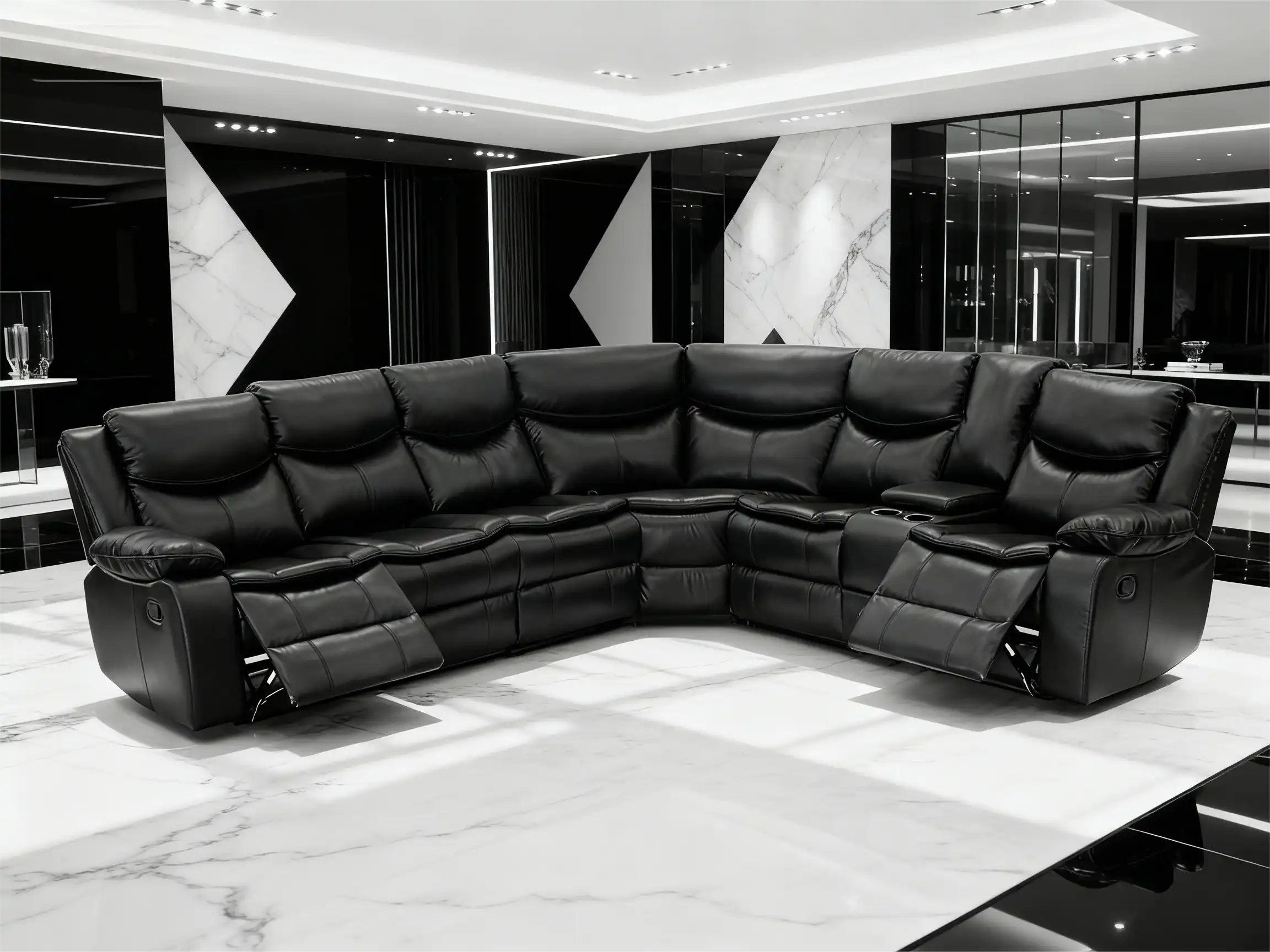
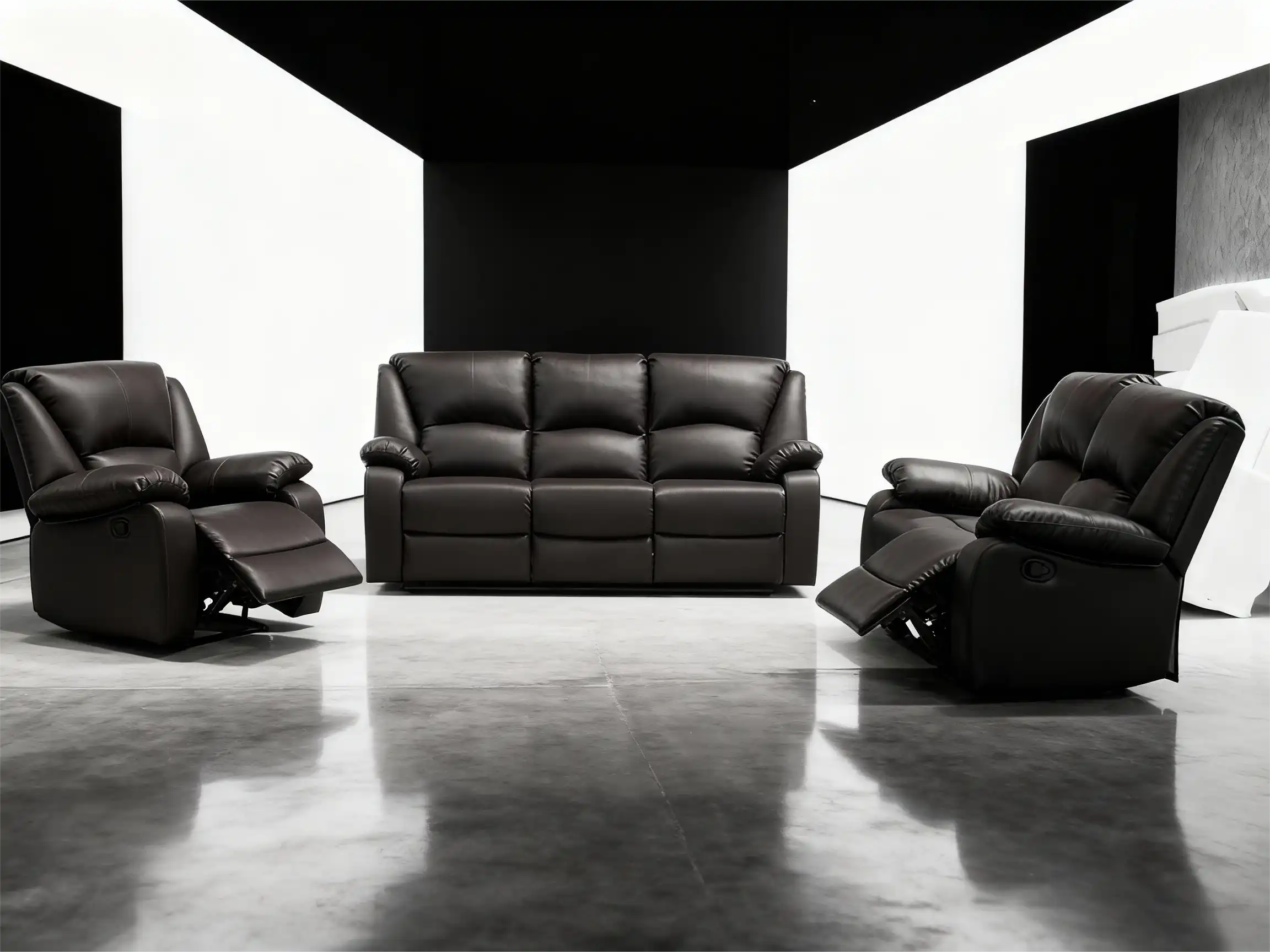
Leather sofas typically show different aging characteristics in a fabric sofa vs leather sofa comparison. Natural leather resists spills and surface dirt more easily, but it is sensitive to dryness, sunlight, and temperature changes. Without regular conditioning, leather can crack or fade over long-term use. While leather sofas often maintain structural integrity well, they require consistent care to preserve texture and color, making maintenance habits a key factor in durability.


Comparison of textures: Performance Fabric (Left) vs Top-grain Leather (Right).
2. Comfort and Everyday Sitting Experience
2.1 Breathability and Seasonal Comfort
When evaluating comfort in a fabric sofa vs leather sofa, fabric sofas tend to feel more breathable, especially in warm or humid climates. Fabric surfaces adapt better to temperature changes and are less likely to feel cold in winter or sticky in summer. Leather sofas, while smooth and supportive, can feel less comfortable during hot weather unless climate control is consistent.
2.2 Cushion Support and Shape Retention
Long-term comfort also depends on how well a sofa maintains cushion shape. In both fabric and leather sofas, internal structure matters more than surface material. However, fabric sofas often mask minor cushion deformation better over time, while leather surfaces make changes in shape more visible. In long-term use, cushion density and frame quality usually have a greater impact than material choice alone.
3. Long-Term Cost and Value Comparison
From a value perspective, the fabric sofa vs leather sofa decision involves more than the initial price. Fabric sofas typically have a lower upfront cost and allow easier style updates, but replacement or reupholstery may be needed sooner. Leather sofas usually cost more initially, yet their lifespan can justify the investment if properly maintained. Long-term value depends on usage intensity, maintenance habits, and expectations for appearance over time.
4. Which Sofa Material Is Better for Your Home
Choosing between a fabric sofa vs leather sofa ultimately depends on lifestyle rather than trends. Fabric sofas are often better suited for households with children, pets, or frequent use, where comfort and flexibility matter most. Leather sofas may be a better fit for users who prioritize easy surface cleaning, a structured look, and are willing to invest time in regular care. Understanding how the sofa will be used daily is the most reliable way to make the right long-term decision.
Our Professional Services
Beyond manufacturing, uHomeSofa provides comprehensive services for global buyers, including ODM customization, quality assurance, and logistics support.